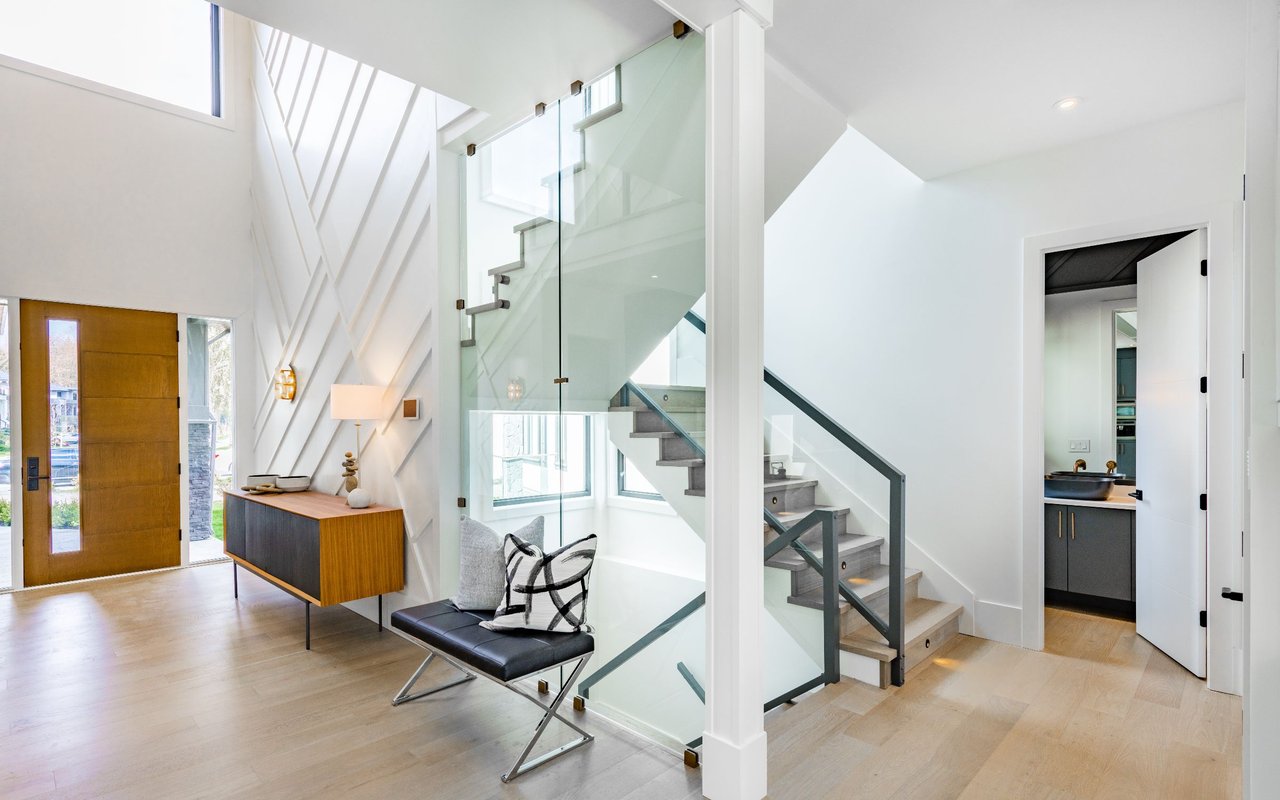
Selling in Bee Cave is not just about putting a sign in the yard and hoping the market does the rest. Buyers are still active, but they are more selective, and in a higher-price market that means your pre-market plan matters more than ever. If you want to protect value, reduce buyer objections, and avoid wasting money on the wrong updates, a smart sequence can make all the difference. Let’s dive in.
Why pre-market planning matters in Bee Cave
Bee Cave remains a premium market, with Redfin reporting a March 2026 median sale price of $1,009,500, a median price per square foot of $274, and an average of 19 days on market. At the same time, the broader Austin-Round Rock-San Marcos market had 10,525 active listings and 4.2 months of supply in January 2026. Texas A&M Real Estate Center also reported elevated inventory pressure and softer prices in the Austin area as 2025 ended.
For you as a seller, that means buyers often have more choices and more leverage than they did in a purely seller-driven market. The best response is not to overspend. It is to focus on the items that shape first impressions, tighten up the condition story, and launch only after the highest-impact work is complete.
Start with what buyers notice first
In a market like Bee Cave, visible presentation carries real weight. That includes the exterior, the entry, the main living spaces, and the rooms that photograph best. When buyers have options, they tend to respond first to homes that feel cared for, clean, and easy to understand.
The strongest pre-market plan is usually selective, not massive. You want to remove distractions, fix obvious issues, and improve the details that influence buyer confidence. That is where a construction-informed approach can help you avoid overbuilding right before you list.
Decluttering comes before everything else
Before you price paint colors, call flooring crews, or book photos, start with clutter. The 2025 National Association of REALTORS staging report found that 83% of buyers' agents said staging made it easier for a buyer to visualize a property as a future home. That starts with making the space feel open, calm, and easy to read.
Decluttering is also one of the lowest-cost ways to improve your listing presentation. It helps rooms feel larger, supports cleaner photography, and makes later staging decisions more effective. In most cases, this is the first step because it gives you a more honest view of what actually needs repair or cosmetic attention.
Stage the rooms that shape perception
Not every room carries the same weight when you are preparing to sell. According to the 2025 staging report, the living room ranked as the most important room to stage at 37%, followed by the primary bedroom at 34% and the kitchen at 23%.
That matters because many sellers spread money too evenly across the house. Instead, your budget should usually follow buyer attention. If your living room, primary suite, and kitchen feel polished and cohesive, the whole home often presents better.
Focus on these spaces first
- Living room
- Primary bedroom
- Kitchen
- Entryway
- Outdoor entertaining areas that are clearly part of daily living
In Bee Cave, many luxury homes also lean heavily on curb appeal and indoor-outdoor flow. If your property has a covered patio, pool area, outdoor kitchen, or view-facing living space, those areas should read as clean, intentional, and ready for use.
Choose repairs with resale in mind
One of the most common seller mistakes is spending heavily on the wrong kind of improvement. Zonda's 2025 Cost vs. Value findings showed that exterior replacement projects delivered the strongest resale returns nationally. Garage door replacement came in at 267.7%, steel door replacement at 216.4%, and manufactured stone veneer at 207.9%. A minor kitchen remodel was the only interior project in the top five, at 112.9%.
That does not mean you should rush into every exterior project. It does mean that visible, practical improvements often send a stronger resale signal than deep custom interior work right before listing. In Bee Cave, that usually supports a plan centered on curb appeal, entry presentation, and selective kitchen or bath refreshes instead of major remodeling.
Repairs that are often worth considering
- Fresh interior or exterior paint where needed
- Landscaping cleanup and visual simplification
- Minor kitchen updates
- Minor bath refreshes
- Front door or garage door improvements
- Flooring replacement in visibly worn areas
- Fence repair or touch-up if condition affects first impression
Work that often deserves caution
- Large discretionary remodels right before listing
- Highly customized finishes that may not match buyer taste
- Major layout changes unless there is a clear functional issue
- Projects that trigger permits, delays, and broad scope creep without a strong resale case
Bee Cave sellers should pay close attention to exterior presentation
Bee Cave's official city designations include Bee City USA Affiliate, International Dark Sky Community, and Certified Scenic City. While those designations do not create a specific selling formula, they do support a practical takeaway: a polished exterior, restrained lighting, and well-kept landscaping matter in how your home reads from the street.
That is especially important in Hill Country and luxury settings, where buyers often form an impression before they even step inside. Your exterior does not need to feel overdone. It should feel maintained, intentional, and consistent with the property.
Check permits before work begins
This is one of the biggest reasons a pre-market plan should start early. Bee Cave says permits are typically required for many common projects, including structural changes, additions, roof replacement, HVAC replacement, remodels involving moved or removed walls or electrical, mechanical, or plumbing changes, irrigation systems, pools, major dirt disturbance, retaining walls over 4 feet, fences over 7 feet, septic work, and some window replacements when framing changes.
By contrast, the city says permits are not required for minor landscape work or residential interior or exterior painting. That distinction matters because many of the best pre-listing updates are cosmetic and fast, while bigger projects can create delays that push back your launch.
Exterior jobs that may need added review
Before starting exterior work, check:
- City permit requirements if the property is within Bee Cave city limits
- HOA rules or deed restrictions
- Whether tree trimming or tree removal requires separate approval
- Whether the property may fall under county rules instead of city rules
Bee Cave also notes that properties within city limits are subject to all city ordinances, while ETJ properties are subject to a narrower set of regulations and nuisance control. If your home sits near the edge of the city or on a larger tract, it is worth confirming which rules apply before scheduling work.
Tree work needs an earlier timeline
Tree trimming is not a last-minute item in Bee Cave. The city requires a permit before removing or trimming trees and notes that oak wilt is a local risk. It also says oak pruning should occur only from July through January, and pruning outside that window can lead to a fine of up to $500 per day.
If your landscaping plan includes canopy cleanup, dead limb removal, or tree shaping for curb appeal, schedule that conversation early. Waiting too long could limit what can be done before listing or create unnecessary risk.
County rules may apply outside city limits
Not every Bee Cave-area property falls under the same review path. Travis County says a Basic Development Permit is required for all development outside city limits, and its single-family permit guidance covers remodels, additions, driveways, retaining walls, fences, pools, septic systems, solar, and right-of-way work.
This is especially relevant for edge-of-city homes, acreage properties, and homes that feel like Bee Cave but are technically outside corporate city limits. If your property falls into that category, permit research should be part of the pre-market plan from day one.
Sequence your prep in the right order
A strong launch depends on timing as much as budget. Based on the staging data, local permit considerations, and current market conditions, the safest approach is usually to move from simple and visible items to final presentation.
A practical Bee Cave pre-market sequence
- Declutter and remove personal items
- Walk the property and identify visible repairs
- Check city, county, HOA, and tree-permit requirements
- Collect bids and narrow the scope
- Complete landscaping and exterior cleanup
- Finish cosmetic interior work such as paint or flooring
- Stage the living room, primary bedroom, kitchen, and key lifestyle spaces
- Photograph and create digital marketing assets
- Launch only after the home is fully presentation-ready
This sequence helps you avoid paying for photography too early or marketing a home before the key work is done. It also keeps the scope focused on what buyers will actually see and respond to.
Photography should come after the prep
The same 2025 staging report found that buyers' agents rated photos at 73%, traditional staging at 57%, videos at 48%, and virtual tours at 43% as important listing tools. That means digital presentation is not secondary. It is part of the first showing.
But photography works best when the prep is already complete. If you shoot too soon, you risk documenting clutter, unfinished punch-list items, or landscaping that is not at its best. In a selective market, that can weaken your first week instead of strengthening it.
How concierge-style funding can help
For some sellers, the challenge is not deciding what to do. It is paying for everything upfront. Compass Concierge says it can front the cost of selected home-improvement services such as staging, flooring, painting, decluttering, landscaping, cosmetic renovations, moving and storage, fencing, electrical work, and kitchen or bath improvements.
Compass also states that repayment is due when the home sells, when the listing agreement ends, or 12 months from the Concierge start date, depending on program terms. It notes that fees or interest may apply in some states, and that it is not a lender because loans are subject to credit approval and underwriting by Notable.
For you, the main benefit is flexibility. A concierge-style program may help you complete the highest-impact prep work without paying all costs out of pocket before listing. The limitation is that terms matter, so it is wise to review program details carefully with the appropriate professional before moving forward.
The goal is a tighter scope, not a bigger project
The best Bee Cave pre-market plan is usually not the one with the largest invoice. It is the one that removes the most buyer friction. That means solving visible problems, improving first impressions, respecting local rules, and avoiding unnecessary upgrades that may not improve resale enough to justify the time and cost.
This is where Casey Marquez's construction background can be especially valuable. With experience in residential construction and custom-home project management, she brings a practical lens to scope, quality, finish decisions, and timing so you can focus on the updates that support your sale rather than just adding work.
If you are thinking about selling in Bee Cave and want a calm, strategic plan for what to do first, what to skip, and how to time your launch, Casey Marquez can help you build a pre-market roadmap that fits your home and your goals.
FAQs
What repairs are usually worth doing before listing a home in Bee Cave?
- The most defensible pre-listing work is often visible, buyer-facing improvement such as decluttering, paint, landscaping cleanup, selective flooring updates, entry improvements, and minor kitchen or bath refreshes.
What projects should Bee Cave sellers be careful about before listing?
- Large remodels, highly customized finish changes, and projects that trigger permits or delay the listing timeline often deserve extra scrutiny unless there is a clear functional or resale benefit.
Do Bee Cave exterior projects need city permits before listing?
- Many do. Bee Cave says permits are typically needed for work such as structural changes, roof replacement, HVAC replacement, certain remodels, irrigation, pools, retaining walls over 4 feet, fences over 7 feet, septic work, and some window replacements.
Does tree trimming require approval in Bee Cave?
- Yes. Bee Cave requires a permit before removing or trimming trees, warns about oak wilt risk, and says oak pruning should occur only from July through January.
What order should a Bee Cave seller follow for pre-market prep?
- A practical sequence is decluttering, repair review, permit and HOA checks, vendor bids, landscaping, cosmetic interior work, staging, photography, and then listing launch.
Can a seller use Compass Concierge for Bee Cave pre-market work?
- Compass says Concierge can front the cost of selected services like staging, paint, flooring, landscaping, decluttering, and cosmetic improvements, with repayment based on program terms, so sellers should review those terms carefully before committing.